

The Seagull
By Anton Chekhov
Translation by Paul Schmidt
February 2017
The Latvian Society Theater
A masterpiece of theatrical literature comes to Barrymore-winning life.
Mystical, beautiful, and heartbreaking, this theater classic is a moving portrait of the human yearning for connection. Audiences arrived lakeside (built indoors at the Latvian Society Theater), drink in hand, a guest of a young writer-director, Konstantin, as he attempts to invent a new form of theater for our private audience. EgoPo Artistic Director Lane Savadove transported audiences to a summer evening party in this Symbolist approach to Chekhov’s iconic play. This production won Barrymore Awards for Outstanding Scenic Design (Thom Weaver) and Outstanding Production of a Play.
Creative Team
Lane Savadove … Director
Thom Weaver … Set/Lighting Designer
Rita Squitiere … Costume Designer
Lucas Fendley … Sound Designer
Emily Schuman … Props Designer
Chris Miller & James Jackson… Technical Director
Jeremy Jason … Master Electrician
Lauren Ackermann … Stage Manager
Katie Kiessling … Assistant Director
Alex Stawski & Nick Ware … Assistant Stage Managers
Dave Garrett Saraffian … Production Photos
Cast
Melanie Julian … Arkadina
Andrew Carroll … Konstantin
Ed Swidey … Trigorin
Anna Zaida Szapiro … Nina
Aaron Cromie … Sorin
Mark Knight … Shamrayev
Kirsten Quinn … Paulina
Stephanie Iozzia … Masha
Eric Kramer … Dorn
Dane Eissler … Medvedenko
Nick Ware … Yakov
About Anton Chekhov
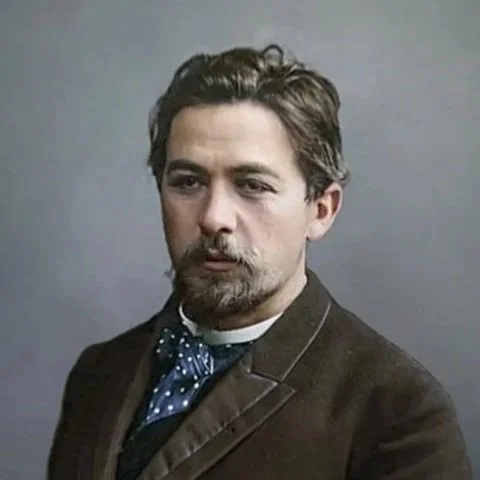
Anton Pavlovich Chekhov (January 1860 – 15 July 1904) was a Russian playwright and short story writer, as well as professional physician. Widely considered one of the greatest writers of all time, his career as a playwright produced four classics, and his best short stories are held in high esteem by writers and critics. Along with Henrik Ibsen and August Strindberg, Chekhov is often referred to as one of the three seminal figures in the birth of early modernism in the theatre.
Chekhov renounced the theatre after the reception of The Seagull in 1896, but the play was revived to acclaim in 1898 by Konstantin Stanislavski's Moscow Art Theatre, which subsequently also produced Chekhov's Uncle Vanya and premiered his last two plays, Three Sisters and The Cherry Orchard. These four works present a challenge to the acting ensemble as well as to audiences, because in place of conventional action Chekhov offers a "theatre of mood" and a "submerged life in the text."